Row layered-wave Shape Decorative svg added to bottom
For Caregivers

Caregiver Resources for Families in Alaska

Caring for someone with Alzheimer’s or another dementia can be both meaningful and overwhelming. Get the resources, practical strategies, and connections you need.

mom-and-daughter-savvy-caregiver

How We Support Caregivers Like You

We’re a boots-on-the-ground organization serving Alaskans through the journey of Alzheimer's and related dementias. Only one person in the care partnership needs to live in Alaska to access our services and support.
  • Support Groups

    Join online or in person support groups to connect with other care partners, share ideas, and gain strength from a compassionate community. Whether you’re new to caregiving or have years of experience, there’s a group for you.

  • One-on-One Consultations & Coaching

    Need help navigating behavior changes, safety concerns, or planning for what’s ahead? Our trained staff offer individual consultations and professional coaching to walk you through your options judgment-free and personalized.

  • Educational Classes & Webinars

    We offer learning opportunities to help you understand dementia, manage challenging situations, and take care of yourself. Topics include communication techniques, caregiving strategies, stress management, and more. See Upcoming Classes.

  • Care Coordination

    Our Care Coordinators help eligible Alaskans and their families create and manage personalized care plans through Medicaid waivers. We guide you in accessing services, organizing support, and ensuring your loved one’s needs are met with dignity and compassion.

  • Care Navigation

    When you’re facing the many decisions that come with caregiving — medical, financial, housing, and more — our Care Navigation team steps in to guide you onward. We help you understand your choices, connect with trusted services, and make confident decisions so that both you and your loved one have a clear path forward.

caregiver-guide-cover4a
Start Here

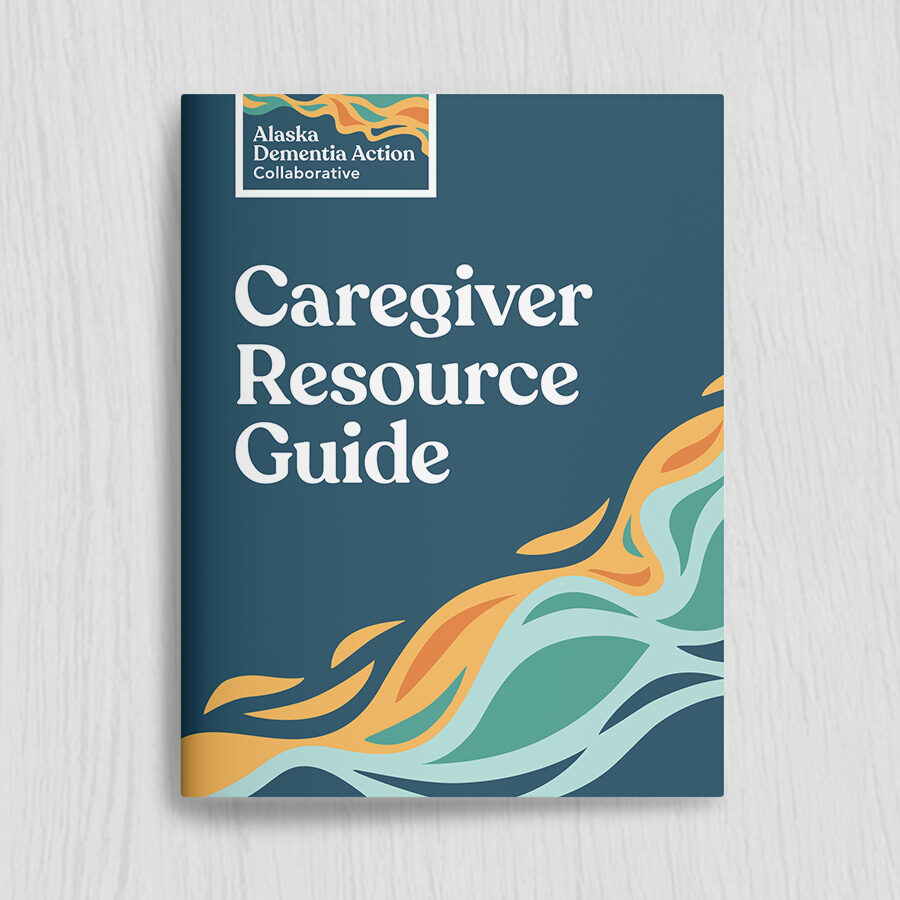
Download The Caregiver Resource Guide

The Caregiver Resource Guide is a practical handbook created for Alaskans. It covers topics like communication, home safety, financial planning, respite care, and more. Inside, you’ll also find a caregiver checklist you can use to track medications, appointments, daily routines, and important documents — a tool that helps you stay organized and ready for each stage of the journey.

flower

Caring for the Caregiver

You matter, too. It’s common for caregivers to experience burnout, fatigue, or isolation but your well-being is just as important as your loved one’s care.

Alzheimer's Resource Alaska offers:

  • Respite Support through Mini Grants (helps cover short-term relief, supplies, or care equipment)

  • Creative Outlets through programs like Art Links, where caregivers can join loved ones in relaxing, supportive environments

  • Coaching to develop healthy boundaries, routines, and self-care strategies

  • Connection to other services across Alaska that can help share the load

  • Education to empower you with the tools and information on your journey

When More Help is Needed

As care needs grow more complex, our Care Navigation and Care Coordination teams can help you understand available home and community-based services, plan next steps, navigate the Medicaid Waiver and grant programs, and access long-term planning and advocacy support.

We’re here to make sure you and your loved one get the help you need to thrive, no matter where you live in Alaska.

Row layered-wave Shape Decorative svg added to bottom

Communication Tips

waves-divider-2

One of the earliest and most common challenges caregivers face is communication. Conversations that once felt effortless may now involve repeated questions, forgotten words, or frustration on both sides.

The key is remembering that communication is about more than words — it’s about connection. Even if sentences falter, tone, body language, and patience can carry meaning.

Adjusting how you communicate preserves dignity, lowers frustration, and helps both of you feel more connected.

  • Speak calmly and clearly, using simple sentences.

  • Maintain eye contact and offer reassuring expressions or touch.

  • Validate feelings instead of correcting facts (“I can see you’re worried” instead of “That didn’t happen”).

  • Ask one-step questions to avoid confusion.

  • Allow silence — sometimes extra time is needed to respond.

Responding to Behavior Changes

waves-divider-1

It can be unsettling the first time your loved one wanders outside at night, becomes unusually agitated, or starts repeating the same question every few minutes. These changes are symptoms of dementia — not deliberate choices. Understanding that helps you respond with compassion rather than frustration.

Many behaviors have triggers: fatigue, hunger, noise, or even changes in lighting at sunset. Watching for patterns can help you anticipate challenges. For example, if agitation always increases in the evening, creating a calming routine before dusk may ease the transition.

Caregivers often find these approaches helpful:

  • Keep daily routines predictable; consistency builds comfort.

  • Redirect gently — offer a snack, a short walk, or a calming activity instead of confronting the behavior.

  • Create a safe environment — secure doors if wandering is a risk, and remove hazards that increase danger during restless times.

  • Reassure often. A calm voice and gentle presence can reduce fear.

Behaviors can feel overwhelming, but they are ways of expressing unmet needs. Responding with patience and creativity can reduce stress for both of you.

shutterstock_2480650655

Home Safety & Daily Living

waves-divider-1

As dementia progresses, everyday tasks and familiar spaces can become confusing or even hazardous. Creating a safe, supportive environment helps your loved one remain as independent as possible — and gives you peace of mind.

In Alaska, safety has its own considerations: icy walkways, long hours of winter darkness, and remote homes where emergency help may be far away. Paying attention to the environment is one of the most effective ways to prevent accidents.

Some practical adjustments include:

  • Improve lighting throughout the home, especially hallways and bathrooms.

  • Remove throw rugs and clutter that create tripping hazards.

  • Install grab bars and non-slip mats in bathrooms.

  • Label drawers and cupboards with words or pictures.

  • Simplify routines — lay out clothes in order, prepare meals in advance, and keep essentials in easy reach.

These changes reduce stress, support independence, and create a safer home where your loved one can thrive.

Row layered-wave Shape Decorative svg added to bottom
flower

Planning & Logistics

One of the hardest realities of caregiving is that dementia is progressive — needs will increase over time. Many families put off planning until a crisis forces decisions. Getting organized now helps protect your loved one’s wishes and reduces stress for everyone later.

Here are five areas where planning ahead makes the biggest difference:

  • Health & medical information

    Keep a care notebook or digital file with current medications, dosages, allergies, and doctor contacts. Having this information ready makes emergencies easier to manage and prevents mistakes.

  • Legal & financial documents

    Early on, talk about power of attorney, healthcare directives, and wills. It’s not easy, but making decisions while your loved one can still express their wishes avoids painful uncertainty later.

  • Daily routines and preferences

    Write down what matters to your loved one: favorite meals, spiritual practices, hobbies, or ways they like to start and end their day. These notes help maintain dignity and continuity, especially if others step in to provide care.

  • Care team roles and responsibilities

    Identify who will help with what — from family members to paid caregivers to local services. Having clear roles prevents burnout and ensures no one person carries the full weight.

  • Memorial giving

    Some families choose to honor their loved one’s life through a memorial gift. A donation made in their name helps others facing Alzheimer’s and carries their legacy forward with hope and compassion. Learn more about Memorial Giving.

The Caregiver Resource Guide includes a practical checklist to help you get started in each of these areas. Planning ahead isn’t just about paperwork. It’s about honoring choices, protecting relationships, and making sure you’re ready for what comes next.

Caring from a Distance

Not every caregiver lives under the same roof. In Alaska, families are often spread across long distances — sometimes hundreds of miles apart. That makes coordination harder, but it’s still possible to provide meaningful care.

You can play a vital role even from afar by:

  • Building a local support team (neighbors, church members, volunteers).

  • Using technology for check-ins and reminders.

  • Keeping important documents accessible online for trusted family members.

  • Partnering with a Resource Specialist who knows local services near your loved one.

Geography doesn’t diminish love or responsibility. With planning and the right tools, you can provide support and reassurance even across great distances.


shutterstock_1821678956
flowers

Finding Support & Services

Caregiving can be a heavy responsibility, but you don’t have to do it all yourself. In Alaska, there are services and supports available to help you build skills, find encouragement, and share the load.

Having support in place gives you confidence, reduces stress, and ensures your loved one’s needs are met. Some of the most helpful options include:

Classes and training

Programs like Caregiving 101 and Savvy Caregiver provide practical strategies for daily challenges.

Support groups

Safe spaces where you can share experiences, learn from others, and find encouragement.

Care coordination

Resource Specialists help you navigate services, connect with providers, and plan for future needs.

Veterans support

If your loved one served in the military, additional VA benefits may be available. A Resource Specialist can help you explore these options.

shutterstock_2603953481

Helpful Technology

waves-divider-1

Technology won’t replace your role as a caregiver, but it can make life easier. From simple devices to smart systems, the right tools can increase safety and reduce worry.

Examples include:

  • Medication reminders or automated pill dispensers

  • GPS-enabled watches or phones for those at risk of wandering

  • Home monitoring systems that alert you to unusual activity

  • Apps to coordinate tasks among multiple caregivers

Technology can extend independence for your loved one, give you peace of mind, and help you share caregiving responsibilities more effectively.

Row wave Shape Decorative svg added to bottom

Take Your Next Steps

Learning is the first step. The next step is finding the right support. We offer a variety of resources for each step of your journey. Plus, our Resource Specialists are here to guide you and your family every step of the way.

Book_check-white

Get the Caregiver Resource Guide

Practical handbook for every stage of the journey.

Phone-white

Talk to a Resource Specialist

Personalized guidance to find the support you need.

Book_open_alt-white

Explore Our Classes

Engaging classes to strengthen memory and focus.

Row rect Shape Decorative svg added to bottom
Find your Path

Not sure where to start?

Select the option below that best describes where you are on your journey and discover resources and services tailored to your specific needs.

I am worried about memory loss

If you're concerned about your memory or that of a loved one, you're not alone. We provide free memory screenings, resources, and consultation to help you understand what's happening and navigate next steps.

I am living with dementia

Living with Alzheimer's or related dementias brings unique challenges. Find resources tailored to support your independence, dignity, and quality of life through every stage of your journey.

I am caring for someone

Caregiving can be both rewarding and demanding. Access support groups, educational programs, practical resources, and services designed to support you while caring for your loved one.

I am a healthcare professional

As a healthcare provider, you play a vital role in caring for Alaskans experiencing Alzheimer’s or related dementias. Access specialized training and resource toolkits to enhance your ability to support patients and families.

Row mountains-wide Shape Decorative svg added to bottom
Join the Mission

Help support Alaskan families affected by Alzheimer’s

Your gift helps ensure that no Alaskan faces the dementia journey alone. Every dollar stays in Alaska, providing critical resources, support groups, education, and care services to those who need it most.

Stay Connected

Get ongoing updates and resources delivered to your inbox.

"*" indicates required fields

This field is for validation purposes and should be left unchanged.

By submitting this form, you are consenting to receive marketing emails from Alzheimer's Resource Alaska. You can revoke your consent to receive emails at any time by using the Safe Unsubscribe® link, found at the bottom of every email.